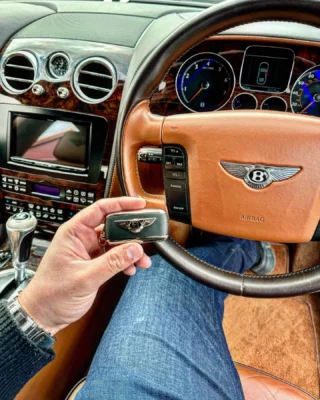
7 Little Changes That Will Make An Enormous Difference To Your Key Car Replacement


Key Car Replacement: A Comprehensive Guide
In the modern world where mobility is vital, reputable vehicle access is critical. Nevertheless, with the convenience of having a car likewise comes the potential headache of losing or needing to replace car keys. This short article explores the procedure of car key replacement, including types of keys, expenses, and regularly asked questions to assist car owners navigate this often discouraging experience.
Comprehending Key Types
Before diving into the replacement process, it's important to comprehend the various kinds of car keys that exist today. Each type has its specific replacement techniques and expenses associated.
Traditional Car Keys
Conventional keys are the fundamental cut metal keys that operate a vehicle's lock and ignition system. They require very little technology and can typically be duplicated easily at hardware stores or locksmiths.
Transponder Keys
Introduced in the 1990s, transponder keys consist of an ingrained microchip that interacts with the vehicle's ignition system. A car will not begin unless the correct transponder key is utilized, including a layer of security.
Key Fobs
Key fobs are push-button control devices that enable drivers to open the doors and begin the ignition without inserting a physical key. These often consist of buttons for trunk release and panic alarms.
Smart Keys
Smart keys take technology an action even more, allowing for keyless entry and ignition. The car spots the existence of the smart key fob within a particular range, allowing drivers to begin their cars with the push of a button.
Key Cards
Some newer car designs feature key cards that operate similarly to a smart key. These flat cards can open the vehicle and, in some circumstances, enable it to be started when positioned in a particular area within the car.
When to Replace Your Car Key
Numerous situations can demand the replacement of your car key:
- Loss or Theft: Losing your key can take place to anyone, and instant action is required to prevent unapproved gain access to.
- Damage: Keys can become harmed or worn in time, leading to defective operation.
- Breakdown: Electronic parts can fail due to a variety of problems, needing a replacement.
- Changing Ownership: If purchasing an utilized car, changing the key guarantees that any previous owners no longer have gain access to.
The Replacement Process
Replacing a car key can include several steps. Here's a breakdown of the process:
1. Determine Key Type
Develop what kind of key is required for the vehicle.
2. Gather Essential Information
Before seeking a replacement, car owners must collect needed details, consisting of:
- Vehicle Identification Number (VIN)
- Make, design, and year of the vehicle
- Any existing key (if suitable)
3. Contact a Professional
Depending upon the kind of key, car owners can select from one of numerous replacement choices:
- Local Locksmith: For conventional keys or basic transponder keys, a locksmith is often the fastest and most economical alternative.
- Car Dealership: For high-tech keys like smart keys, dealers might be the only option, though they tend to be more expensive.
- Mobile Key Replacement Service: Some specialized services can come to you to replace your key.
4. Expense of Replacement
Here's a summary of approximated costs for key replacements based upon type:
| Key Type | Approximated Cost | Replacement Time |
|---|---|---|
| Traditional Key | ₤ 3 - ₤ 10 | Very same day generally |
| Transponder Key | ₤ 50 - ₤ 200 | 1-2 hours |
| Key Fob | ₤ 50 - ₤ 600 | 1-2 hours |
| Smart Key | ₤ 200 - ₤ 600 | 1-3 days |
| Key Card | ₤ 150 - ₤ 400 | 1-3 days |
5. Programming the New Key
Numerous modern keys require programs to work with the vehicle. This typically includes:
- An automotive locksmith professional might have the tools essential for setting simpler keys.
- Dealers will set more complicated smart and fob keys as part of the replacement process.
Preventative Measures
To prevent the requirement for key replacement in the future, car owners can take the following preventive steps:
- Spare Key: Always have a spare key made and keep it in a safe place.
- Key Cover: Use key covers to protect electronic keys from damage.
- Use Key Finders: Invest in Bluetooth key finders that can help find lost keys through a mobile app.
FAQs About Car Key Replace ment
The length of time does it require to replace a car key?
The duration depends upon the key type. Conventional keys can be replaced within minutes, while smart keys might take longer due to programming.
Can I replace my car key myself?
In many cases, particularly with traditional keys, car owners can replace their keys themselves. Nevertheless, for electronic keys, it's recommended to seek expert aid.
Is it safe to have a duplicate key made?
Yes, as long as it's done through a relied on locksmith professional or dealership, making a duplicate key is safe and can save time in emergencies.
What if I lose all my keys?
If all keys are lost, getting in touch with a dealership or a licensed locksmith with the vehicle's VIN is typically essential to acquire a replacement.
Can a harmed key be repaired?
Depending upon the damage, some keys can be fixed, particularly traditional ones. However, electronic keys typically require overall replacement if harmed.
Keeping access to one's vehicle should not give tension. Understanding the types of keys, the replacement process, and what to do in case of loss are necessary for any car owner. With notified decision-making, gaining a brand-new key can transform from a difficult job into a manageable one.
By following the actions described in this guide and being proactive about key management, vehicle owners can ensure they keep the benefit of their movement while lessening the prospective problems triggered by key loss or damage.